
In This Blog, We Will Explore Why Learning The Best Digital Filmmaking Course Is Essential In Today’s Content-Driven World
The digitalized era of filmmaking refers to using digital tools to create, edit, distribute video replacing benefits such as quick production, greater flexibility, lower cost and easier distribution online. With secure video hosting platforms like cinema 8, filmmakers may further by adding interactive and immersive storytelling.
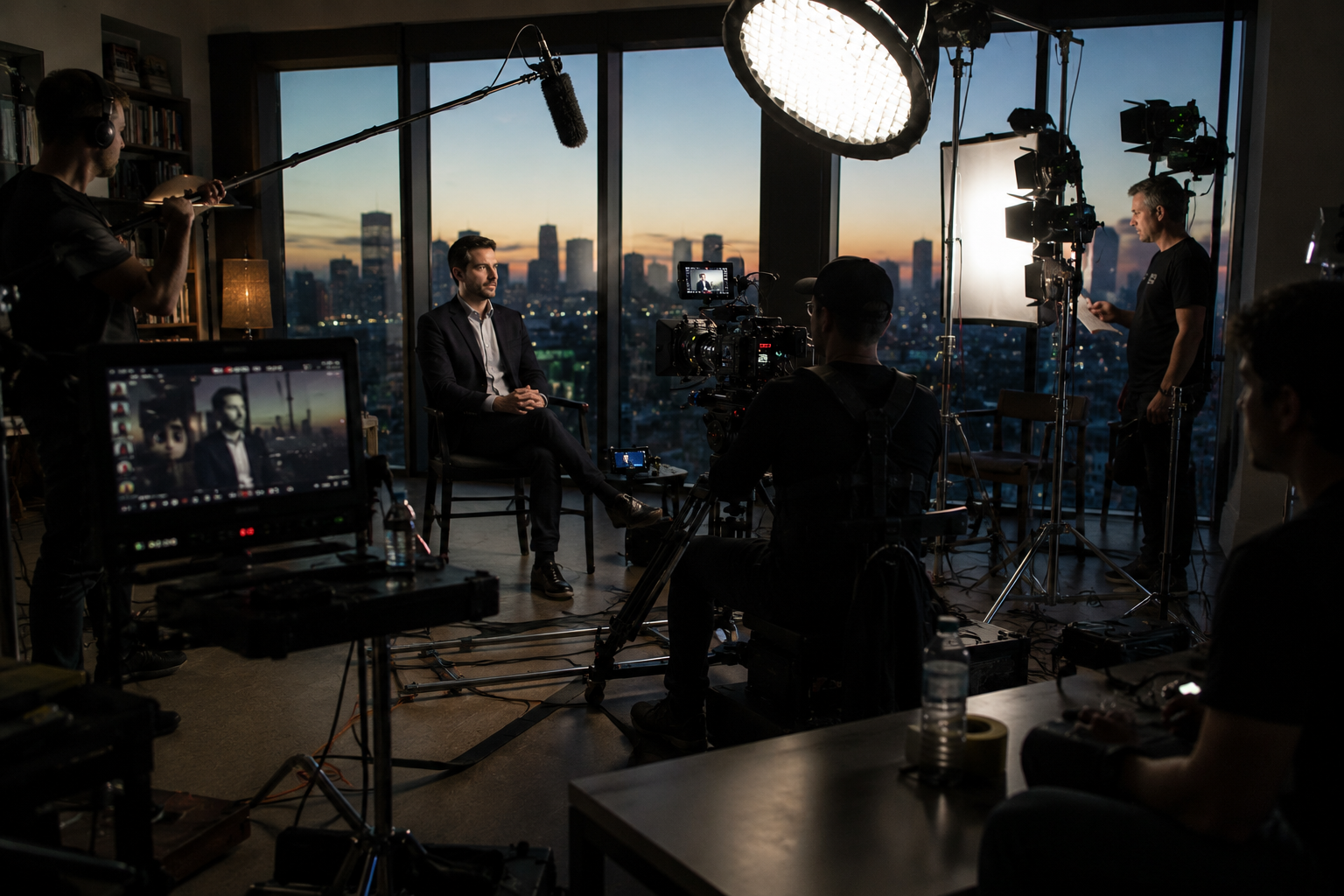
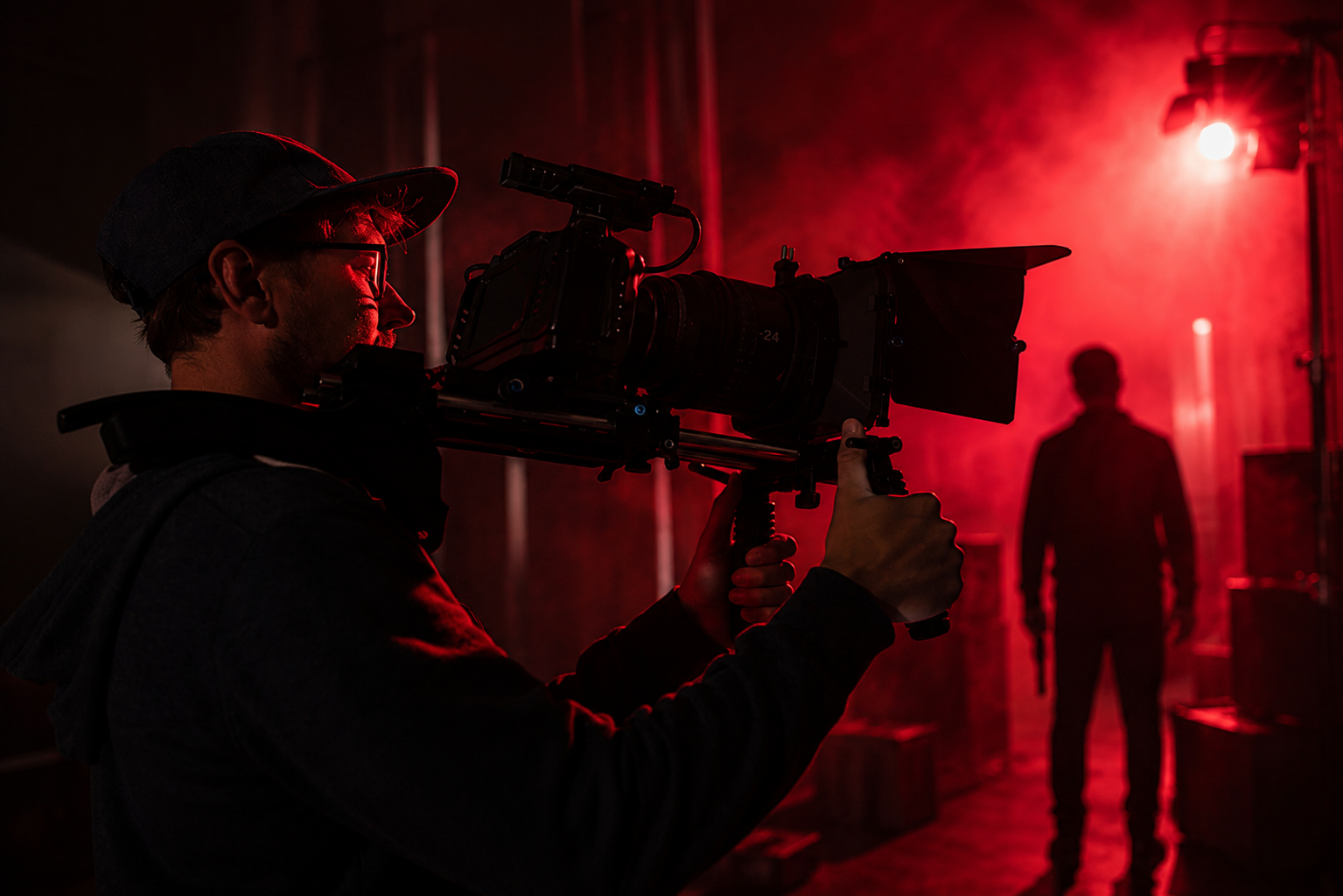
A Digital Filmmaking Course teaches how digital filmmaking combines traditional storytelling with modern production tools that simplify every stage of the creative process.
Techniques such as digital storyboarding, drone cinematography, and timeline-based video editing make it easier to plan, shoot, and refine scenes efficiently while reducing the cost and limitations associated with traditional filmmaking methods. In post production editors may collaborate remotely sharing files across continents in real time. With the help of private video hosting, platform filmmakers may store, review and distribute content securely while tracking viewers engagement .
This makes the entire filmmaking process faster, more flexible and globally connected.
Key Benefits Of Embracing A Digital Filmmaking Course
Today it’s easier than ever for anyone to step into the world of filmmaking .
Students working on class projects to aspiring creators experimenting with their first short films.
Some Of The Biggest Advantages Of Digital Filmmaking Includes –
1. Digital Filmmaking Cost –
Digital filmmaking removes many of the expenses which happens in case of traditional filmmaking.
Film reels, development labs and physical storage are replaced by memory cards, cloud backups and digital file transfers .
One doesn’t require to sacrifice quality for cost. Digital camera’s rival outcasts traditional formats .
With reusable media one might shoot more, try different takes and experiment freely without caring much about blowing the budget.
2. Faster Timelines With Digital Workflow –
Digital workflow dramatically reduces the time it takes to move a concept to the final cut.
One may review footage immediately after recording scenes on the same day.
Non linear editing tools lets someone create rough cuts faster and switch between versions without beginning from scratch.
Cloud based platform makes automated syncing between footage in real time.
With fewer delays from processing, printing, or manual transfers, digital filmmaking helps one to tight deadlines without sacrificing quality.
When it is conjugated with a video editing solution, it is easy to send drafts, gather feedback and thus keep everything in the loop.
3. Creative Flexibility On Set –
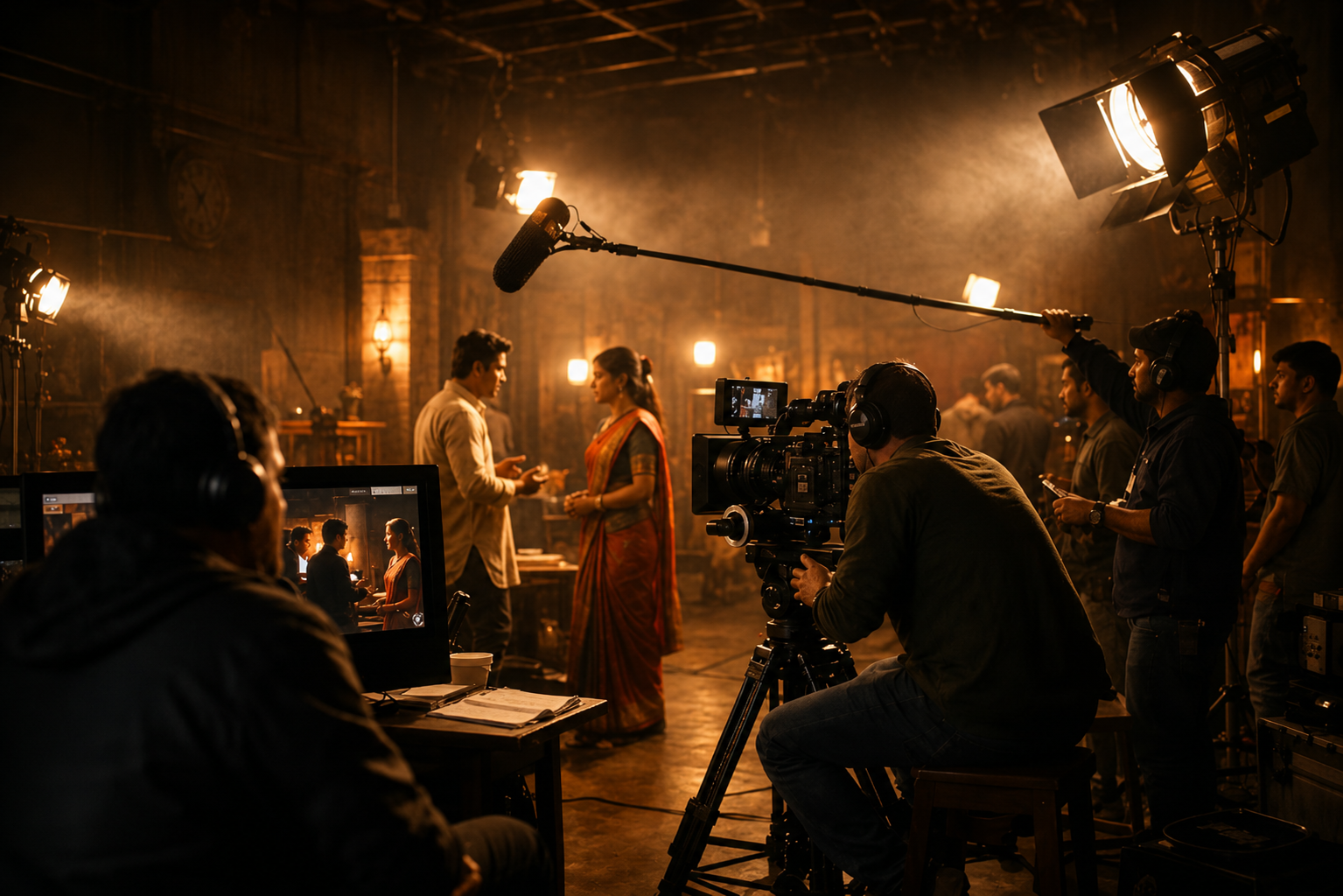
Capturing various angles of a scene’s rapid moments, behind the scenes footage is simple with digital filmmaking.
One may run various cameras at once, thus reshoot immediately or capture rehearsals without worrying about film waste.
Filmmakers also benefit from stabilisation gear drone slight weight equipment that makes storytelling more dynamic and visually interesting .
One may plan for interactive video editing during filmmaking allowing audiences to explore alternate endings, click storyline or respond.
4. Smarter Distribution With Video Hosting Programme –
Earlier filmmakers had to rely solely on festivals cinemas or physical distribution. Video hosting platforms give us full control on how film is seen.
One might go on a public youtube partner with community theatres or even opt for private video hosting for client previews or restricted screening.
One might use password protected content to gather viewer insight and manage access in a way that suits the project.
Some hosting platforms let one update files, add interactive layers or include captions without re-exporting the entire film.
5. Easier Collaboration And Real Time Feedback –
Digital filmmaking streamline collaboration across departments and time zones.
One might share work in progress and he might edit securely thus collecting time stamped feedback and make revisions on the fly, thus it depends on video hosting and collaborative editing tools.
One might need feedback during filming, one might record upload and thus get notes back.
For larger teams or remote production this level of agility helps to avoid costly work and thus keeps everyone aligned.
6. Built For Interactivity And Next Gen Experience –
Mordern storytelling needs to meet audience expectation of captivating narratives and experiences.
Digital filmmaking helps to make that thing work out. Without interactive tools like those offered by cinema one may transform the final cut into interactive video that invites the viewers to explore different paths.
These features may increase engagement and give your richer insight into what the audience cares about.
Thus, adding these interactive features with A/B testing tools offers additional benefits by showing which movie ending or scene resonates best with the audience and helping one to create interactive stories that truly connect.
The advent of digital filmmaking has brought significant change in the world of cinema.
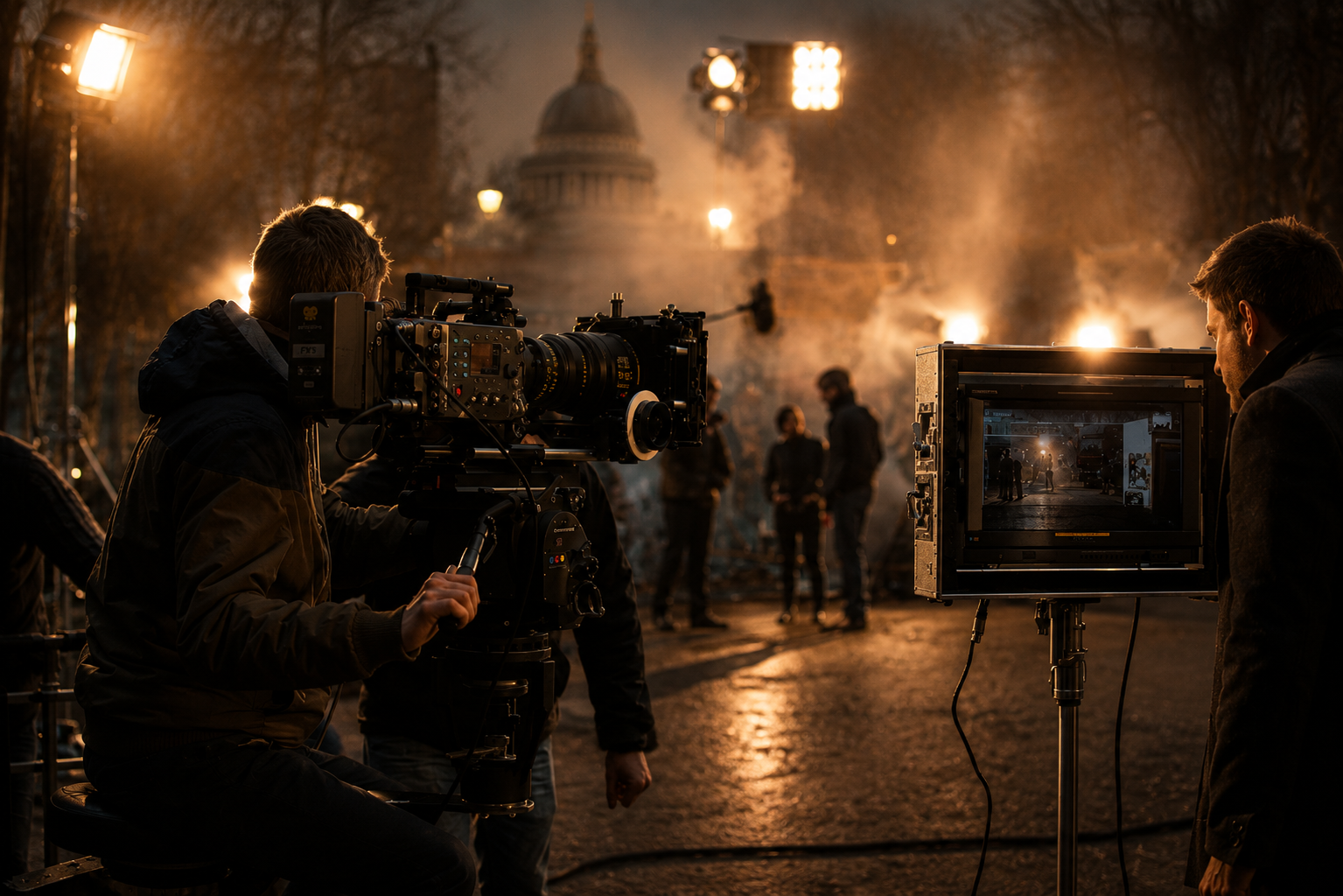
This Includes Some Factors Such As –
Creative Exploration – Digital technology has created boundless creativity empowering filmmakers to experiment with visual effects, nonlinear storytelling and immersive experiences that was once very much limited by limitations of analog filmmaking.
Democratization Of Filmmaking – Digital tools have lowered the barriers to entry allowing aspiring filmmakers to make high quality production with more available and affordable equipment. This has created a diverse and inclusive film industry.
Technological Advancements – The rapid advancement of digital technology has led to the development of high resolution cameras, virtual reality, augmented reality and CGI thus possibilities of story telling and visual aesthetics.
Preservation And Restoration – Digital archiving and restoration techniques have made it possible to preserve and renew classical film thus ensuring that cinematic masterpieces may be a source of entertainment for the next generation.
Digital filmmaking has redefined the art and craft of storytelling on the silver screen. With the cost effectiveness, flexibility, and creative possibilities it has democratized the filmmaking process and thus has created new doors for new voices and vision.
As technology continues to evolve the realm of digital filmmaking has undoubtedly shaped the future of cinema enabling captivating stories to be narrated in ever innovative and immersive ways.